.png)

Learn when tooth extractions in Montgomery, AL are needed, what to expect, and how recovery works. Book your dental visit today.
Tooth extractions are only recommended when a tooth cannot be restored, and modern dentistry ensures the process is safe, controlled, and as comfortable as possible. If you're considering tooth extractions in Montgomery, AL, understanding why they’re performed and how recovery works can help you feel more confident and prepared.
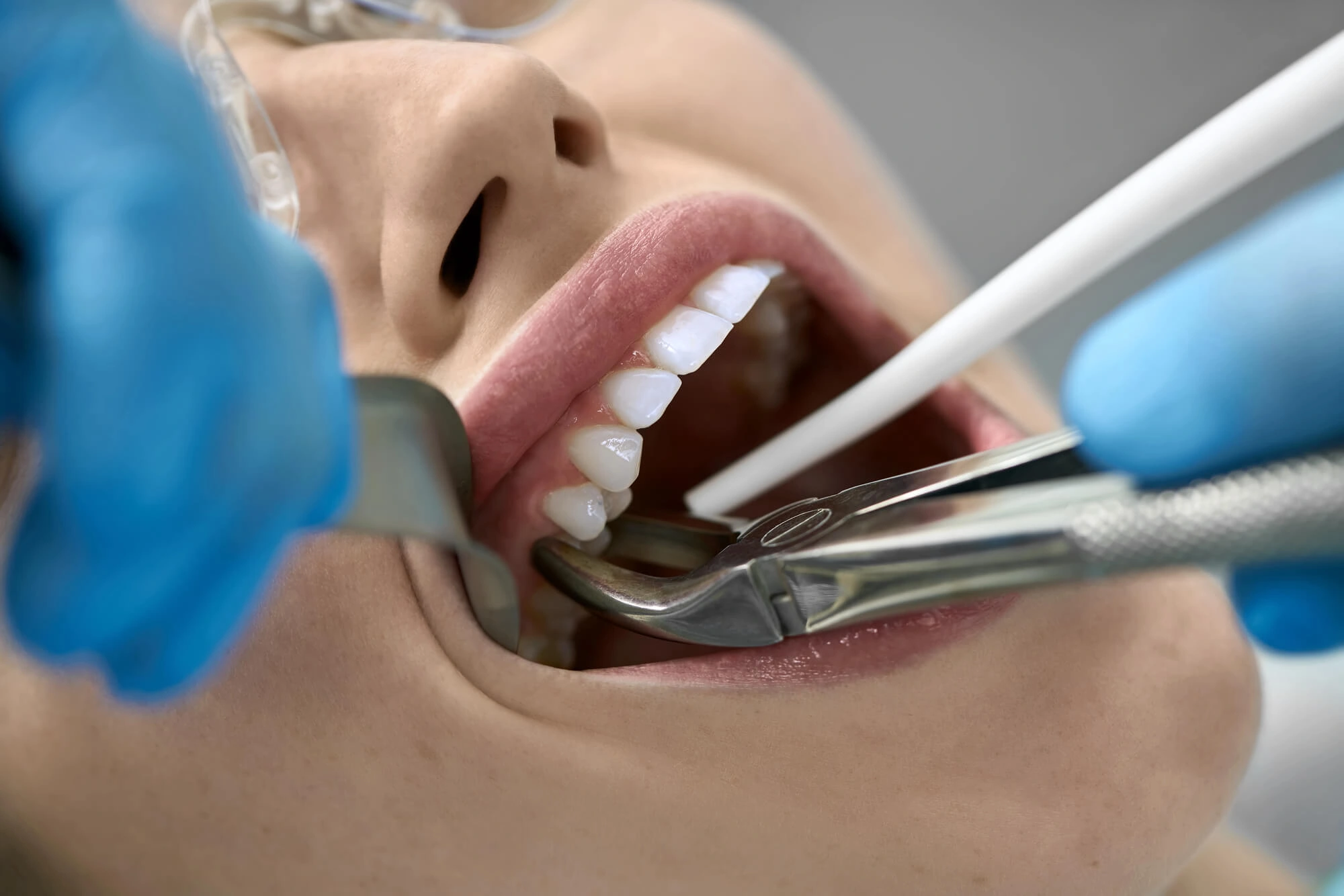
Why Would a Tooth Need to Be Removed?
Tooth extraction is typically considered only after all other restorative options have been evaluated. Dentists prioritize saving natural teeth whenever possible, but there are situations where removal becomes the healthiest long-term solution.
Severe decay, advanced gum disease, trauma, or infection can compromise a tooth beyond repair. In other cases, extractions may be recommended to prevent overcrowding or to support orthodontic treatment plans. Wisdom teeth are also commonly removed when they become impacted or painful.
The goal is always to protect surrounding teeth, gums, and bone structure from further damage.
Common Reasons for Tooth Extraction
A dentist may recommend removing a tooth if any of the following conditions are present:
- Extensive tooth decay that cannot be restored with a filling or crown
- Advanced periodontal (gum) disease causing loose teeth
- Cracked or fractured teeth that extend below the gum line
- Severe infection not responsive to root canal therapy
- Impacted wisdom teeth causing pain or swelling
- Overcrowding before braces or alignment treatment
- Trauma or injury that has destroyed tooth structure
Each case is evaluated individually to determine whether extraction is the most appropriate and beneficial option for oral health.
How Dentists Decide If Extraction Is Necessary
Before recommending removal, your dentist performs a thorough examination. This usually includes digital X-rays, gum evaluation, and a review of your symptoms and dental history.
Dentists typically consider:
- The level of infection or bone loss present
- Impact on surrounding teeth and bite alignment
- Long-term prognosis of keeping the tooth
- Patient comfort and risk of recurring issues
If saving the tooth is no longer realistic, extraction is the safest option.
What Happens During a Tooth Extraction Procedure?
Understanding the process can help reduce anxiety and prepare you for treatment. Tooth extractions are very common procedures performed with local anesthesia or sedation to ensure comfort.
Before starting, your dentist numbs the area completely. You may feel pressure during the procedure, but not pain. The tooth is then carefully loosened and removed using specialized instruments.
Step-by-Step Overview of the Procedure
A typical extraction appointment follows a structured and predictable process:
- Initial examination and review of X-rays
- Administration of local anesthesia or sedation if needed
- Gentle loosening of the tooth from its socket
- Removal of the tooth using dental instruments
- Cleaning and disinfecting the extraction site
- Placement of gauze to control bleeding
- Aftercare instructions and recovery guidance
In more complex cases, such as impacted teeth, a small incision may be made in the gum, and stitches may be placed afterward to support healing.
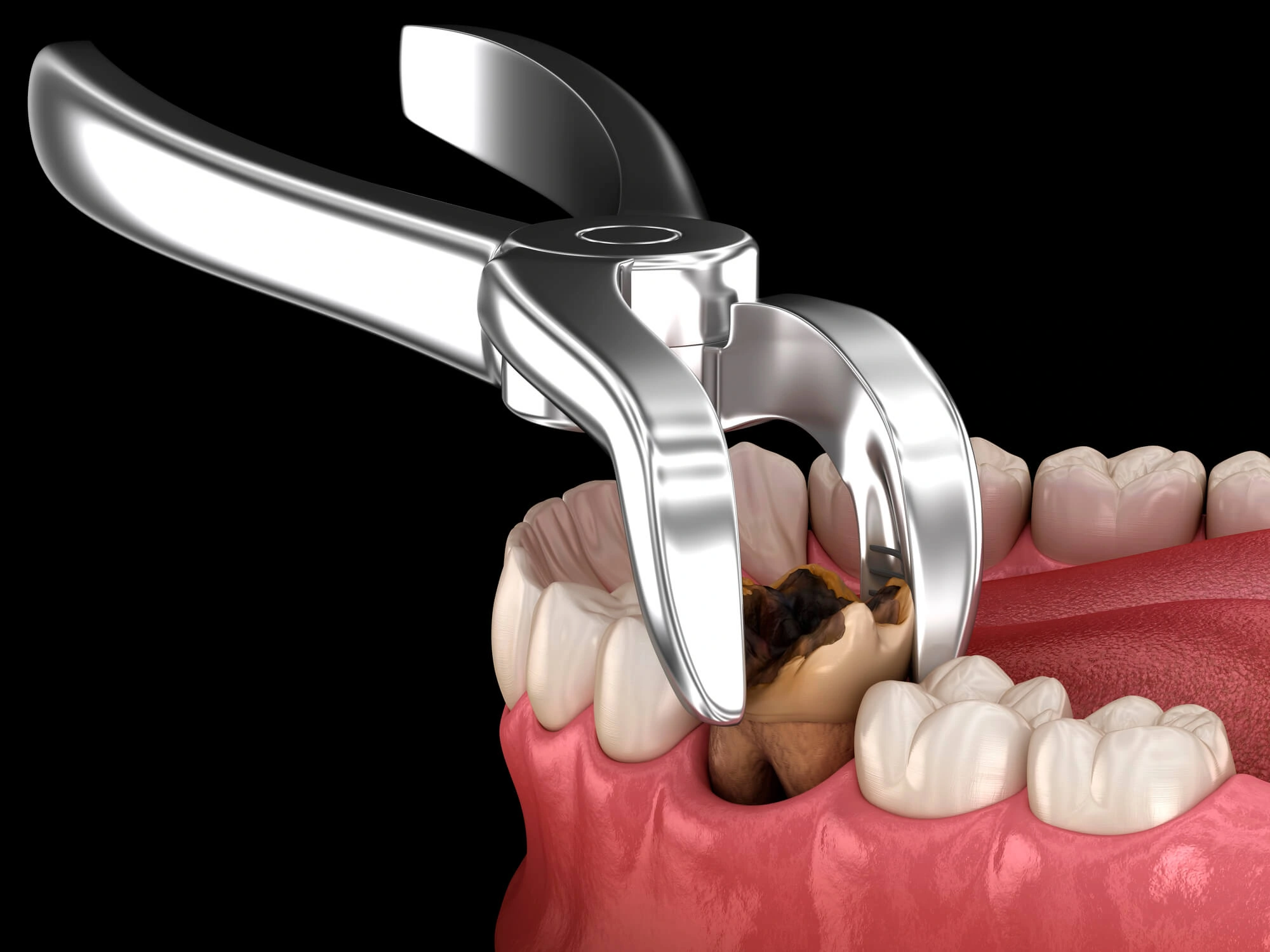
Simple vs. Surgical Extractions
Not all extractions are the same. The complexity depends on the tooth’s position and condition.
Simple Extraction
A simple extraction is performed on visible teeth. These are loosened and removed without surgical intervention. This is the most common and straightforward type of extraction.
Surgical Extraction
A surgical extraction is required when a tooth is broken at the gum line or impacted. This involves a small incision and, sometimes, the removal of surrounding bone to access the tooth.
Both procedures are routine and performed with patient comfort as a priority.
Does a Tooth Extraction Hurt?
One of the most common concerns patients have is pain. Thanks to modern anesthesia and techniques, the procedure itself is typically not painful.
During treatment, you will feel pressure but no sharp pain. After the procedure, it is normal to experience mild soreness, swelling, or tenderness for a few days.
Managing Discomfort After Extraction
Most post-procedure discomfort can be managed with simple care strategies such as:
- Over-the-counter pain medication or prescribed medication if needed
- Cold compresses to reduce swelling
- Eating soft foods during the first few days
- Resting and avoiding strenuous activity
- Keeping the extraction site clean
If pain increases after a few days instead of improving, it is important to contact your dentist.
What Should You Expect During Recovery?
Recovery plays an important role in preventing complications and ensuring proper healing. Most patients begin feeling better within 48–72 hours, although full healing of the socket may take a couple of weeks.
Important Aftercare Instructions
To promote healing and reduce the risk of complications:
- Bite gently on gauze for the first few hours
- Avoid drinking through straws
- Do not smoke or use tobacco products
- Eat soft foods like soup, yogurt, and mashed potatoes
- Rinse gently with warm salt water after 24 hours
- Avoid vigorous brushing near the extraction site
- Follow all medication instructions provided by your dentist
One of the most important risks to avoid is a dry socket, which occurs when the protective blood clot is dislodged too early. Following instructions carefully greatly reduces this risk.
Signs of Normal Healing vs. Problems
Normal healing may include mild swelling, slight bruising, and tenderness. However, you should contact your dentist if you experience:
- Severe or worsening pain after several days
- Excessive or prolonged bleeding
- Signs of infection such as fever or pus
- Swelling that continues to increase
What Happens After a Tooth Is Removed?
After healing, your dentist may discuss replacing the missing tooth depending on its location and function. Replacing missing teeth helps maintain alignment and prevents future dental complications.
Common replacement options include:
- Dental implants
- Partial dentures
Each option has unique benefits, and your dentist will help determine the most suitable choice based on your oral health and goals.
Are Tooth Extractions Always the Last Option?
Yes, dentists always aim to preserve natural teeth whenever possible. Fillings, crowns, root canals, and periodontal treatments are usually explored first. Extraction is only recommended when keeping the tooth would cause more harm than benefit.
When Should You See a Dentist?
If you are experiencing persistent tooth pain, swelling, sensitivity, or signs of infection, you should schedule a dental evaluation as soon as possible. Early treatment can often prevent the need for extraction or reduce the complexity of the procedure.

Schedule Tooth Extractions in Montgomery, AL Today
If you are dealing with a severely damaged, infected, or impacted tooth, timely care is essential for protecting your oral health. The team at Zelda Court Dental Care provides gentle, patient-focused treatment designed to ensure comfort and safety throughout the process. Schedule your consultation today to learn more about your tooth extraction options and take the next step toward relief and restored oral health.
.png)