.png)
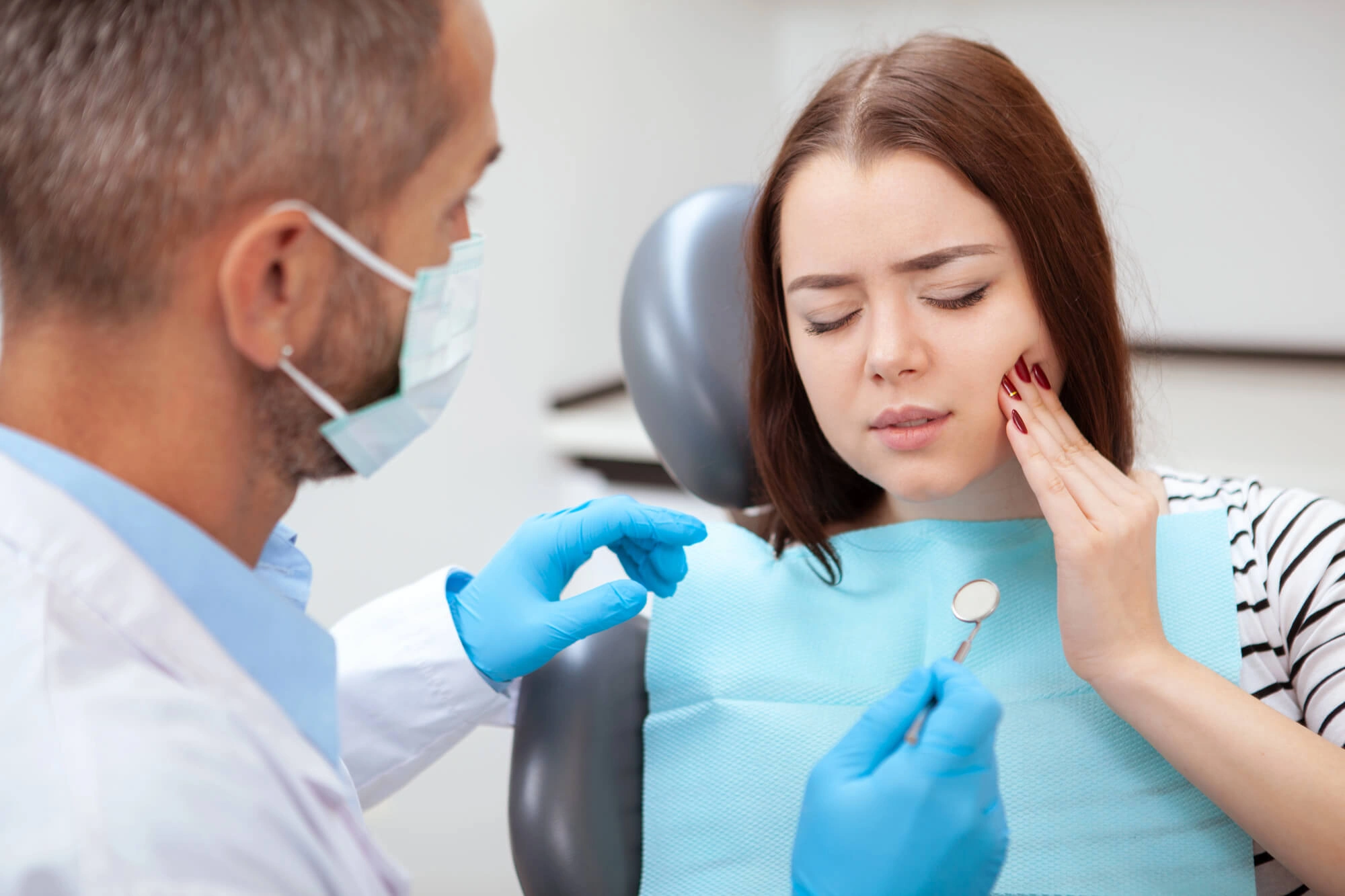
Learn how an emergency dentist in Montgomery, AL treats common dental emergencies. Get prompt care to protect your smile today.
Dental emergencies can happen without warning, but acting quickly often makes the difference between saving and losing a tooth. Visiting an emergency dentist in Montgomery, AL, as soon as possible allows you to receive prompt treatment, relieve pain, and prevent further complications. Whether you're experiencing severe tooth pain, a broken tooth, or a dental injury, understanding how these emergencies are treated can help you make informed decisions and protect your long-term oral health.

What Is Considered a Dental Emergency?
A dental emergency is any oral health problem that requires immediate attention to stop severe pain, control bleeding, prevent infection, or preserve a tooth. While not every dental concern requires same-day treatment, delaying care for serious symptoms can lead to permanent damage and more extensive procedures.
Common dental emergencies include:
- Severe or persistent toothaches
- Chipped, cracked, or broken teeth
- Knocked-out permanent teeth
- Loose or displaced teeth after an injury
- Lost fillings or crowns
- Dental abscesses or facial swelling
- Soft tissue injuries involving the lips, gums, cheeks, or tongue
- Uncontrolled bleeding after dental trauma
- Broken dentures that interfere with eating or speaking
Knowing when to seek immediate care helps reduce the risk of complications and increases the likelihood of successful treatment.
Severe Toothaches
A severe toothache is one of the most common reasons patients seek emergency dental care. Persistent pain may result from advanced tooth decay, an infected tooth pulp, gum disease, a cracked tooth, or trauma.
Your dentist will begin by performing a comprehensive examination, which may include digital X-rays to identify the source of the pain. Once the cause is determined, treatment is tailored to the condition.
Depending on the diagnosis, treatment may include:
- Tooth-colored fillings for cavities
- Root canal therapy to remove infected tissue while preserving the tooth
- Prescription medication when infection is present
- Tooth extraction if the tooth cannot be saved
Prompt treatment not only relieves pain but also prevents infection from spreading to surrounding tissues.
Chipped, Cracked, or Broken Teeth
Teeth can fracture due to sports injuries, falls, vehicle accidents, or biting into hard foods. The severity of the damage determines the most appropriate treatment.
Small chips may only require cosmetic polishing or dental bonding to restore the tooth's appearance. Moderate fractures often benefit from tooth-colored fillings or custom dental crowns that strengthen and protect the remaining tooth structure.
When a crack extends into the pulp, root canal therapy may be necessary before restoring the tooth with a crown. If the fracture extends below the gum line and the tooth is no longer restorable, extraction may be recommended.
Receiving prompt treatment helps prevent bacteria from entering the damaged tooth and causing infection.
How Are Serious Dental Injuries Treated?
Some emergencies involve significant trauma that affects both the teeth and surrounding tissues. These situations require immediate professional evaluation to improve the chances of preserving your oral health.
Knocked-Out Teeth
A knocked-out permanent tooth requires urgent attention. If treated within the first hour, there is often a greater chance of successfully saving the tooth.
Before arriving at the dental office:
- Hold the tooth by the crown rather than the root.
- Gently rinse away dirt without scrubbing.
- If possible, place the tooth back into its socket.
- If reinsertion isn't possible, store it in milk or a tooth preservation solution.
- Seek emergency dental care immediately.
Your dentist will examine the tooth, reposition it if appropriate, and stabilize it using a flexible splint while the surrounding tissues heal. Follow-up care may include root canal therapy depending on the extent of the injury.

Loose or Dislodged Teeth
A tooth that has been pushed out of position or feels loose after trauma should never be ignored. The supporting bone, ligaments, and surrounding tissues may have been damaged even if the tooth appears intact.
Treatment typically involves carefully repositioning the tooth and stabilizing it with a splint. Early intervention greatly improves the chances of preserving the natural tooth and minimizing long-term complications.
Dental Abscesses and Infections
A dental abscess is a serious bacterial infection that develops around the root of a tooth or within the gums. Symptoms often include severe throbbing pain, swelling, pus drainage, bad taste in the mouth, facial swelling, fever, or swollen lymph nodes.
Because infections can spread beyond the mouth, prompt treatment is essential.
Depending on the severity, treatment may include:
- Draining the abscess
- Prescription antibiotics when necessary
- Tooth extraction if the tooth cannot be restored
Ignoring an abscess can lead to serious health complications, making immediate evaluation extremely important.
What About Lost Fillings, Crowns, and Dental Restorations?
Although losing a filling or crown may not always cause severe pain, it leaves the underlying tooth vulnerable to decay, sensitivity, and fracture.
Lost Fillings
A missing filling exposes the inner portion of the tooth to bacteria and temperature changes. Your dentist will remove any weakened tooth structure before placing a new tooth-colored filling that restores strength and function.
Loose or Broken Crowns
Crowns can become loose because of decay, aging dental cement, or trauma. If the existing crown remains in good condition, your dentist may be able to recement it. Otherwise, a replacement crown may be recommended to restore the tooth's protection.
Receiving prompt treatment helps prevent further damage to the underlying tooth.
How Are Soft Tissue Injuries Managed?
Not every dental emergency involves the teeth themselves. Injuries to the lips, cheeks, gums, or tongue can cause significant bleeding and discomfort.
Minor cuts can often be managed by gently cleaning the area, applying pressure with clean gauze, and using a cold compress to reduce swelling. However, deep lacerations, uncontrolled bleeding, or injuries involving significant tissue damage require immediate professional evaluation.
Your emergency dentist will clean the wound, evaluate for hidden dental injuries, and determine whether additional treatment or sutures are necessary.
How Can You Reduce the Risk of Dental Emergencies?
While accidents cannot always be prevented, several habits can reduce your risk of experiencing a dental emergency.
These include:
- Wearing a custom mouthguard during sports
- Avoiding chewing ice, popcorn kernels, and hard candy
- Never using your teeth to open packages
- Maintaining routine dental checkups
- Treating small cavities before they become larger problems
- Wearing a nightguard if you grind your teeth while sleeping
- Practicing good daily brushing and flossing habits
Preventive dental care plays an important role in identifying weakened teeth before they develop into emergencies.

Schedule Care With an Emergency Dentist in Montgomery, AL
Dental emergencies require prompt attention to relieve discomfort, preserve natural teeth, and reduce the risk of long-term complications. Whether you're dealing with a severe toothache, a broken tooth, a knocked-out tooth, or a dental infection, seeking professional treatment as soon as possible gives you the best chance for a successful outcome. Zelda Court Dental Care provides compassionate emergency dental services designed to restore your oral health quickly and comfortably. Contact the office to receive immediate care you need and regain confidence in your smile.
.png)